Research

The RIME’s research program focuses on several major themes related to mining and the environment. Our program currently includes several research chairs and a dozen major research projects. In addition to the financial support provided by our industrial partners, funding for research is provided by both provincial and federal funding agencies from Quebec and Canada.

Research Themes

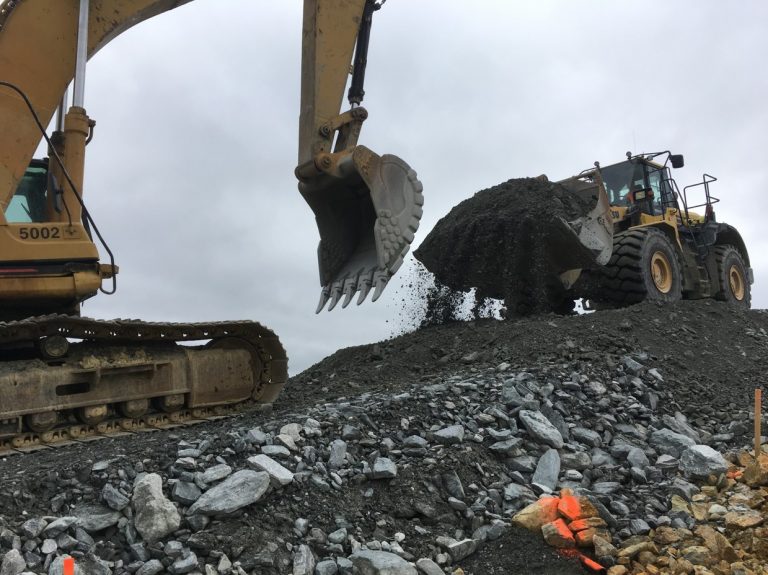
Mine site reclamation

Circular economy applied to mines : Valorization and integrated management of wastes

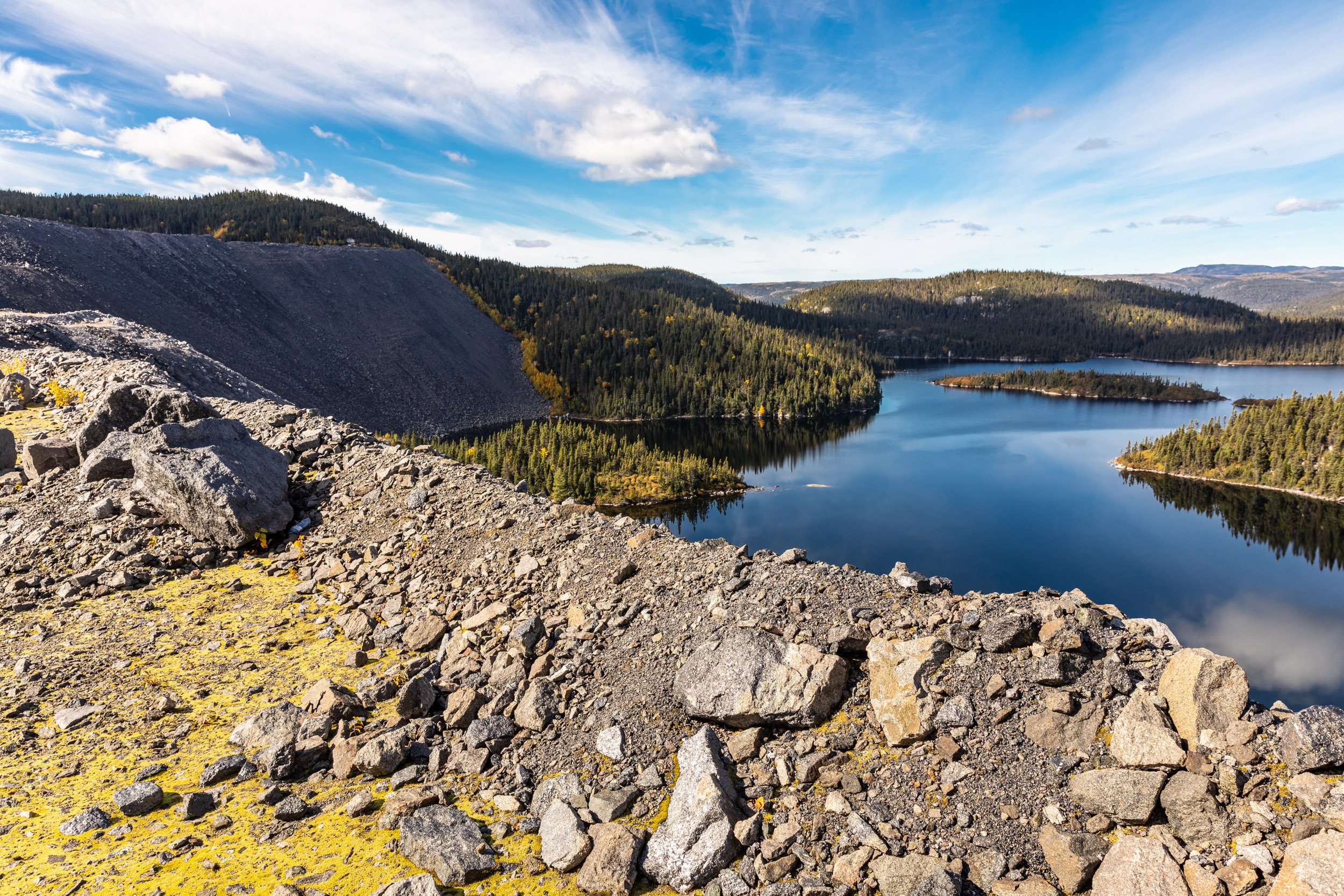
Geotechnical and geoenvironmental stability of mine waste storage facilities

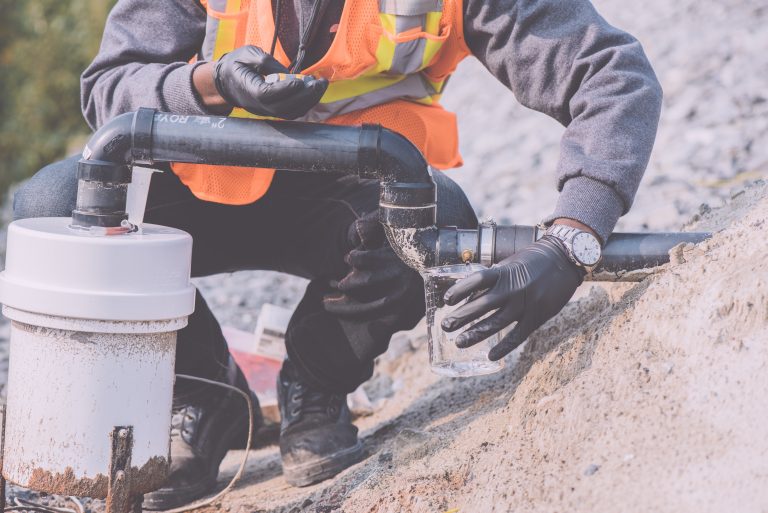
Water quality prediction

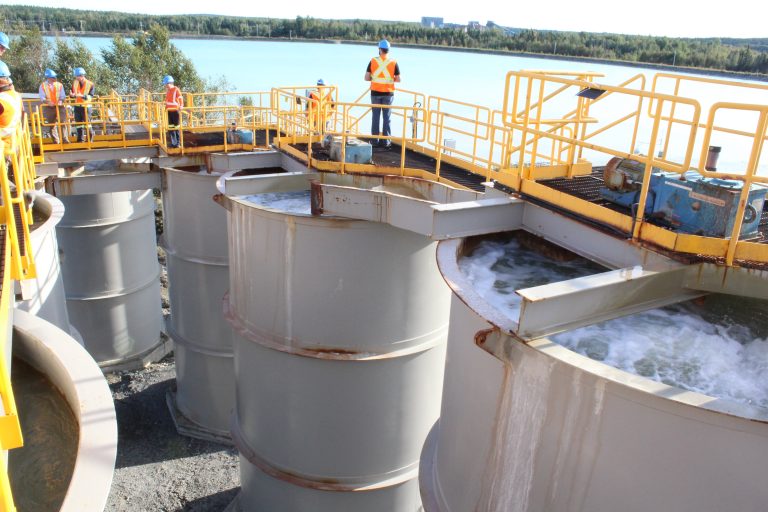
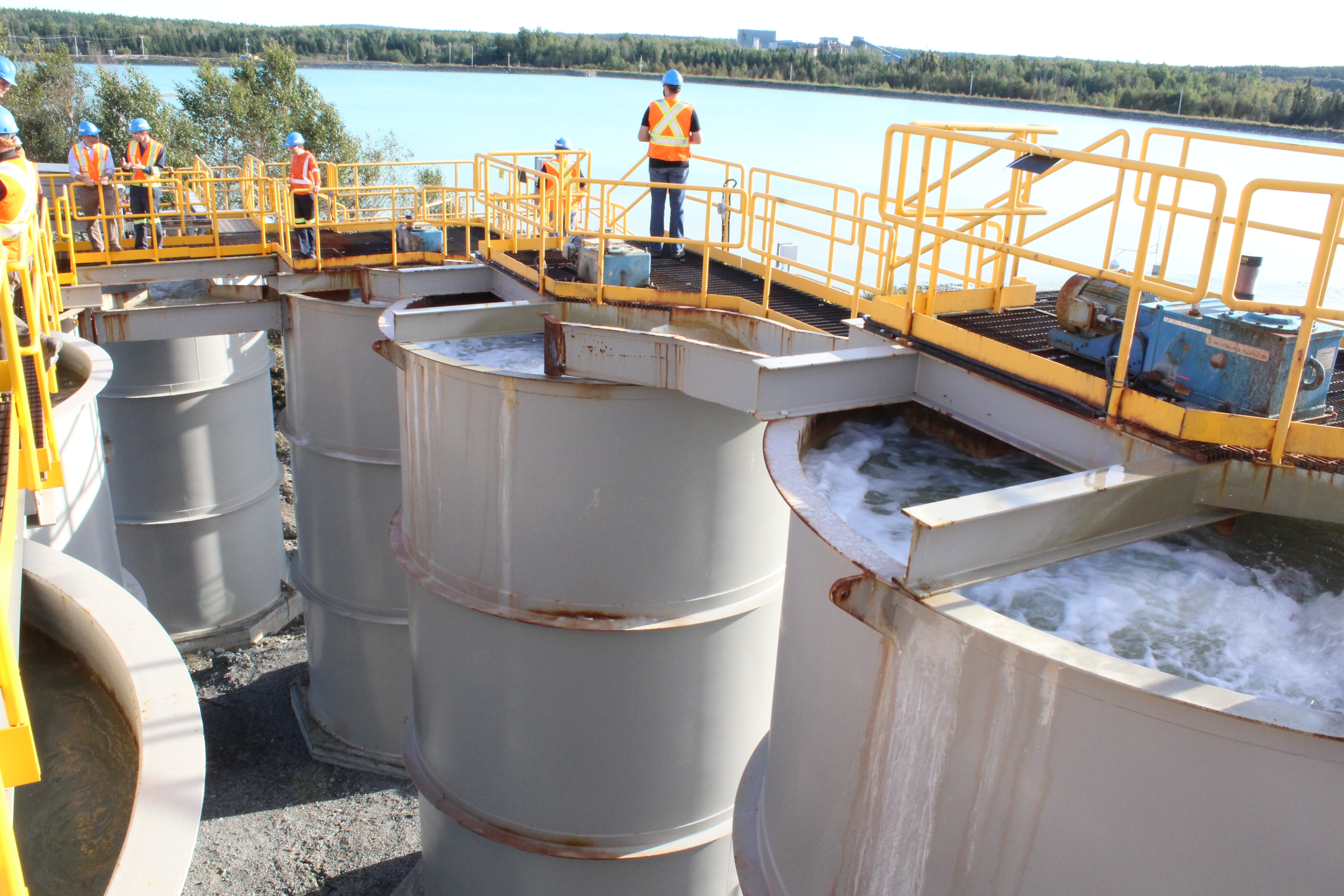
Treatment and management of mine waters

Transport of contaminants in the environment

Influence of climatic conditions

Knowledge sharing and exchanges with local communities

Research Chairs

Canada research chair in the geoenvironment of mining in cold regions

Chairholder : Vincent Boulanger-Martel

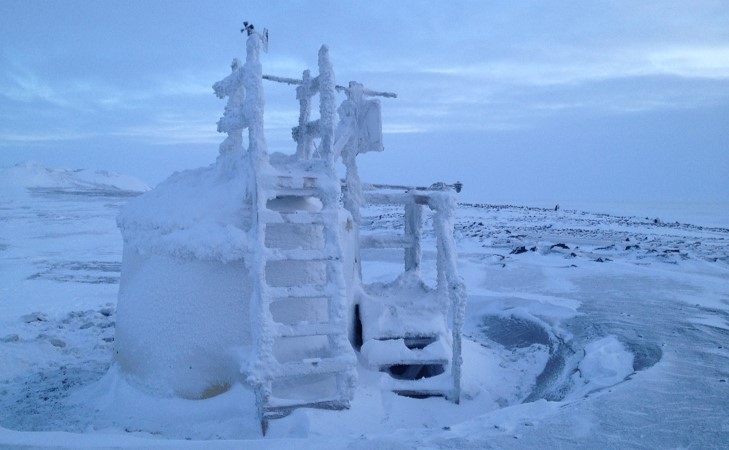
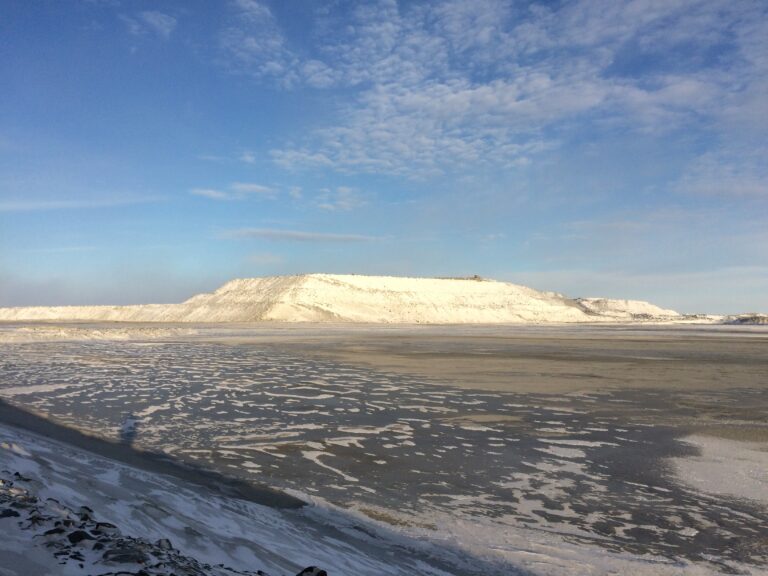
Technological advancements and the growing global demand for natural resources have led to an intensification of mining activity across the country, pushing operations into less populated regions. As a result, the development of projects in Canada’s northern and remote areas has increased, raising numerous technical, environmental, and social challenges. The impacts of mining operations are significant, as large volumes of mine waste—particularly tailings and waste rock—must be stored on the surface in a manner that ensures their long-term physical and chemical stability. Over the years, various approaches to the management and rehabilitation of mine waste storage areas have been developed. However, few solutions have been specifically tailored to the unique conditions of Canada’s cold regions, in order to mitigate the environmental impacts of mining activities. The Canada Research Chair in the Geoenvironment of Mining in Cold Regions focuses on issues related to regions affected by seasonal freeze-thaw cycles and permafrost, within the context of climate change.


Institutional chair in environmental geochemistry of critical and strategic mineral resources

Chairholder : Benoît Plante

The global economy is undergoing a profound transformation, driven in part by the rapid development of new technologies. In response to this economic shift, the demand for critical and strategic metals (CSMs) is growing steadily.

The Québec Ministry of Energy and Natural Resources (MERN) defines critical minerals as those that are currently of significant economic importance to key sectors of the economy, that carry a high supply risk, and for which no commercially available substitutes exist. Strategic minerals, as defined by MERN, are mineral substances essential to the implementation of Québec’s economic policies, notably the 2020–2030 Electrification and Climate Change Plan and the 2030 Energy Policy.

The creation of an Institutional Research Chair in Environmental Geochemistry of Critical and Strategic Mineral Resources aligns with the Québec government’s commitment to strengthening upstream knowledge in the CSM sector and to promoting responsible and sustainable economic development.

REGENERE institutional research chair

Chairholder : Abdelkabir Maqsoud

The mining industry is one of the most significant economic sectors in Québec and Canada, contributing approximately 5% to the national GDP. However, the extraction of mineral resources and their metallurgical processing generate major environmental challenges, particularly in terms of mine and metallurgical waste management, as well as the rehabilitation of storage areas.

Research projects

…coming soon

Research projects completed

  • (Last update: february 2024)
  • Waste rock inclusions in filtered tailings storage facilities to improve their hydrogeotechnical and geochemical stability (T. Pabst)
  • Management and progressive reclamation of acid generating filtered tailings (T. Pabst)
  • Development of hydrogeotechnical and operational criteria to improve the long-term stability of waste rocks piles and mine infrastructures that valorize waste rocks (C. Ovalle)
  • Performance of cover systems with geomembranes to control contamination from tailings impoundments (B. Bussière)
  • Impact of mineralogy (presence of phyllosilicates) on operational risk associated with the management of tailings incorporating cement (T. Belem)
  • Hydrogeotechnical behavior of filtered tailings impoundments in northern conditions (B. Bussière)
  • Improvement of prediction tools for contaminated mine drainage: Assessment of scale, geomicrobiology, and sorption issues (B. Plante)
  • Development of an automated electrical measurement system to support the monitoring of mine site reclamation infrastructures (L. Z. Cheng)
  • Characterization and treatment of contaminants of emerging concern in mine effluents (C. Neculita)
  • Reduction of AMD and DNC generation from mine wastes (I. Demers)
  • Optimisation of rheological properties to minimize hydraulic segregation of concentrator tailings in hard rock mines (M. Mbonimpa)
  • Valorization of sludge to control the dispersion of wind erosion dust and for mine site reclamation (M. Mbonimpa)
  • Influence of the revegetation layer on the water balance of mine reclamation covers (M. Guittonny)
  • Optimization of the production of desulfurized tailings for their valorization in mine site reclamation (I. Demers)
  • Reclamation of tailings impoundments and climate change: development and application of tools to support adaptation (B. Bussière, I. Demers et T. Pabst)
  • Treatment of mine waters contaminated with cyanides and their derivatives (C. Neculita)
  • NSERC’s Toward Environmentally Responsible Resource Extraction Network (TERRE-NET) (B. Bussière, I. Demers)
  • Cemented mine backfill used in permafrost (M. Mbonimpa)
  • Prediction of mine drainage quality in northern climates and its treatment (C. Neculita)
  • Influence of vegetation on the performance of oxygen barriers to control acid mine drainage (B. Bussière)
  • Development of a methodological approach to integrate climate change into the design of tailings impoundments and reclamation infrastructures (B. Bussière)
  • Thickening of tailings pulps for surface deposition or the production of cemented mine backfills using superabsorbent polymers (T. Belem)
  • Treatment of salinity and associated toxicity in mining effluents (C. Neculita)
  • Passive treatment of highly contaminated acid mine drainage (G. Zagury)
  • Development of a waste rock pile management method to limit the production of contaminated drainage by controlling water infiltration (B. Bussière)
  • Factors that influence natural colonization by trees and their rooting in plantations on waste rocks slopes in boreal region (M. Guittonny)
  • Disposal of waste rocks to minimize their environmental impact: Optimal design of waste rock piles and innovative use of waste rocks at mine sites (M. Aubertin)
  • Backfilling and disposal of solid wastes for safer and more sustainable mine development: Studies on the interactions between embankments and deep mining structures (L. Li)
  • Integrated management of mine wastes for open pit mines: Evaluation of a disposal approach for tailings and reactive waste rocks in pits (L. Li)
  • Valorization of waste rocks directly at mine sites (L. Li)
  • Optimization of the use of waste rock inclusions in tailings impoundments to improve their short- and long-term performance (M. Aubertin)